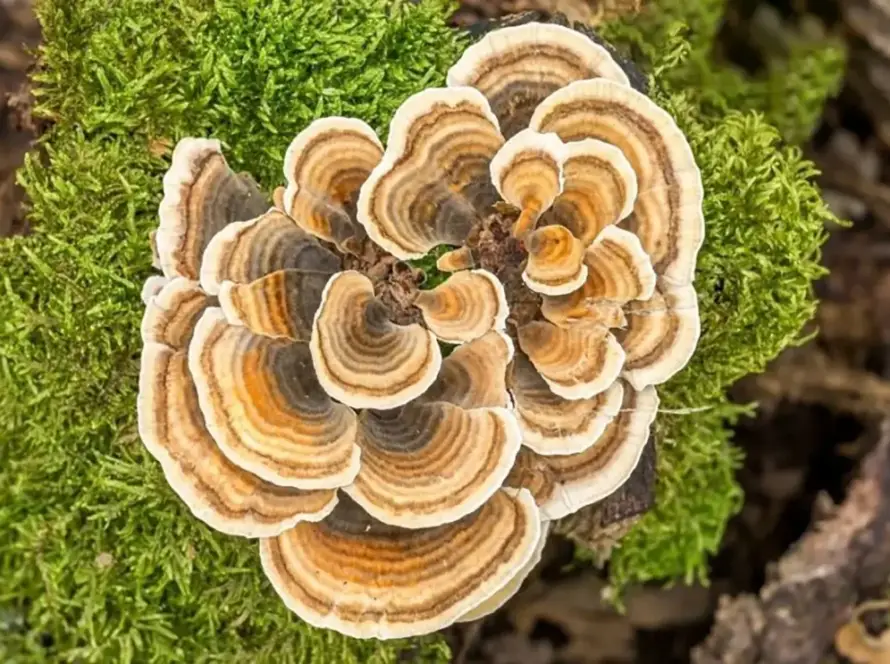
Beneath the forest floor lies a hidden world—an underground network as intricate and essential as the ecosystems above it. This hidden marvel is called mycelium, the sprawling web of fungal life that connects plants, cycles nutrients, and sustains ecosystems. But mycelium does more than nourish—it communicates, warning plants of dangers and enabling collaboration in ways that mimic the internet. How does this fungal network work, and why is it crucial for life on Earth? Let’s dive into the fascinating science of mycelium and its vital role in sustaining ecosystems.
What Is Mycelium?

Mycelium is the vegetative structure of fungi, made up of tiny, thread-like filaments called hyphae. These hyphae stretch out beneath the soil, weaving vast and interconnected networks. While mushrooms are the visible fruiting bodies of fungi, mycelium is their unseen engine—absorbing nutrients, breaking down organic matter, and forming partnerships with plants.
Mycelium is everywhere: beneath forests, in gardens, and even in decaying logs. These networks can span enormous areas, sometimes covering miles, and are integral to the health of the ecosystems they inhabit.
The Fungal Internet: How Mycelium Communicates
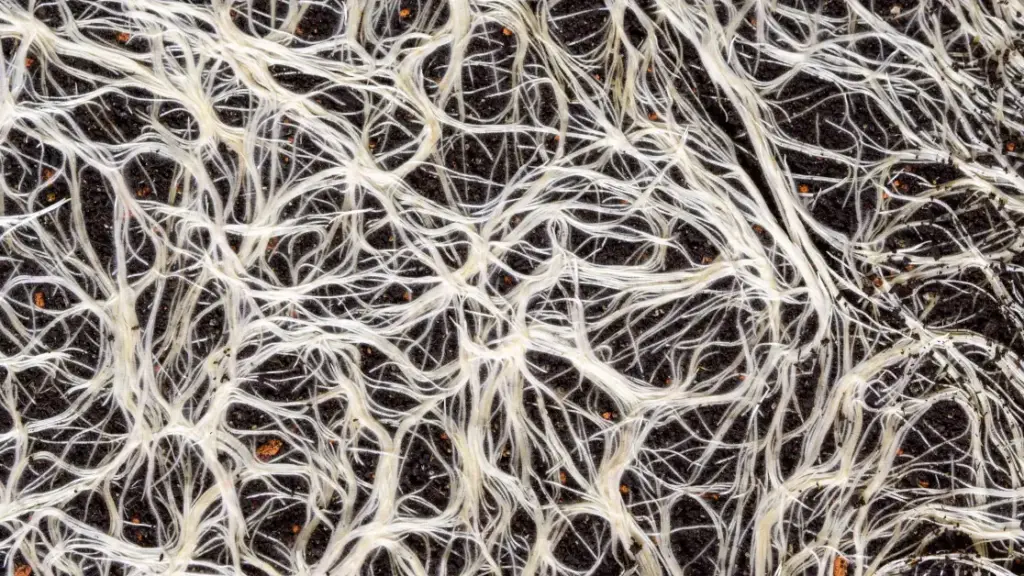
Mycelium networks are often called the “Wood Wide Web,” drawing a parallel to the human internet. Like a web of fiber-optic cables, mycelium connects trees and plants underground, allowing them to share resources and information.
Through chemical and electrical signals, mycelium facilitates:
• Nutrient Sharing: Trees and plants can send and receive nutrients like carbon, nitrogen, and phosphorus through mycelial networks. For example, older trees often “donate” nutrients to younger ones struggling to establish themselves.
• Warning Systems: When a plant is attacked by pests or pathogens, it sends signals through the mycelium to alert nearby plants, prompting them to bolster their defenses.
• Symbiosis: Many plants form mycorrhizal associations, a symbiotic relationship where fungi provide nutrients in exchange for sugars produced through photosynthesis.
This communication ensures the survival and resilience of entire ecosystems, creating a remarkable system of mutual support.
Sustaining Ecosystems: The Role of Mycelium

The importance of mycelium in maintaining ecological balance cannot be overstated. Acting as nature’s silent architect, mycelium performs a range of essential functions that keep ecosystems thriving. From recycling nutrients to supporting plant life and mitigating climate change, mycelium serves as the foundation for many of Earth’s natural processes. Let’s explore its pivotal roles:
• Nutrient Cycling: Mycelium is nature’s recycler. It breaks down organic matter like dead plants and animals, releasing essential nutrients back into the soil. This decomposition process enriches the soil, making it fertile for future plant growth.
• Carbon Sequestration: Mycelium plays a critical role in carbon storage. Fungi sequester carbon in the soil as part of their metabolic processes, helping to mitigate climate change by reducing carbon in the atmosphere.
• Support for Plant Growth: By connecting plant roots, mycelium forms a vast underground support system. This network allows plants to share resources during times of scarcity, ensuring that even in challenging environments, ecosystems remain stable.
Together, these functions make mycelium indispensable to life on Earth. Its contributions go far beyond the forest floor, shaping ecosystems and promoting the resilience of our planet’s natural systems.
The Hidden World Beneath Our Feet

The scale of mycelium is astonishing. One of the most famous examples is the Armillaria fungus in Oregon, which spans over 2,000 acres and is considered one of the largest living organisms on Earth. These networks are not just vast but also incredibly resilient, adapting to environmental changes and continuing to support ecosystems even under stress.
Scientists are only beginning to understand the full extent of mycelium’s influence, but its importance is undeniable. This underground network is the lifeblood of forests and grasslands, connecting life in ways we are only beginning to comprehend.
The Potential of Mycelium in Modern Science and Technology

The unique properties of mycelium have captured the attention of innovators across industries.
• Bioremediation: Mycelium can break down harmful pollutants like oil spills, plastics, and even radioactive materials, offering a natural solution for cleaning up environmental disasters.
• Sustainable Materials: From mushroom-based packaging to leather alternatives and construction materials, mycelium is proving to be a sustainable and biodegradable resource.
• Medicine: Compounds derived from fungi are being studied for their potential to treat illnesses, from infections to neurological disorders.
Mycelium’s applications stretch far beyond the forest floor, showing promise in creating a more sustainable future.
The Takeaway
Mycelium is not just a silent inhabitant of the soil—it is an active, intelligent, and essential component of life on Earth. From facilitating communication between plants to recycling nutrients and sequestering carbon, this fungal network plays a pivotal role in sustaining ecosystems. Its applications in science, technology, and environmental restoration further underscore its importance.
The next time you walk through a forest, remember the vast, unseen network beneath your feet. It is quietly working to sustain life, ensuring that the balance of nature endures. Mycelium may be hidden, but its impact is unmistakable—a testament to the remarkable power of nature’s underground web.