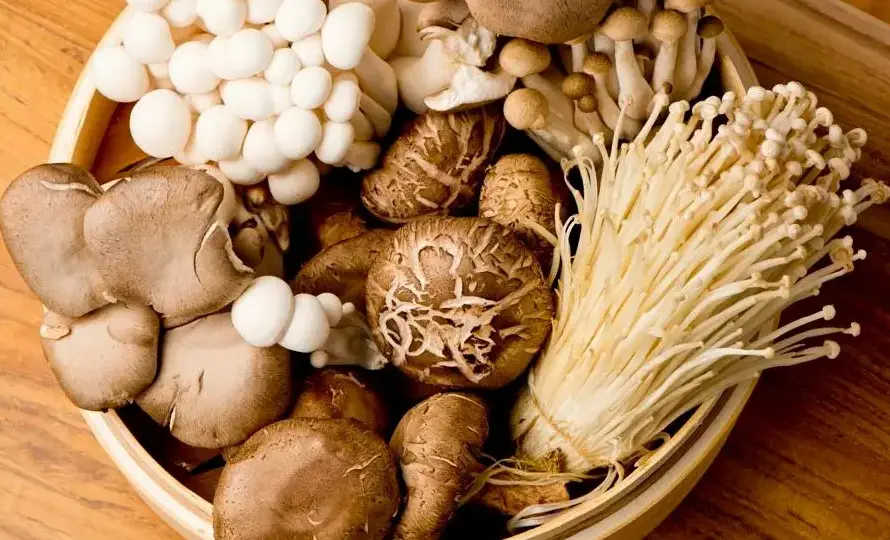
The plant-based food industry has been booming, with consumers seeking healthier, more sustainable alternatives to animal products. While soy and pea protein have long dominated the market, fungi-based products, particularly mushrooms, are emerging as a contender in the quest for realistic, nutritious, and eco-friendly meat substitutes. With their natural umami flavor, meaty texture, and impressive versatility, mushrooms might just be the key to revolutionizing plant-based eating.
Why Mushrooms?
Mushrooms have unique qualities that make them ideal for meat substitutes:
• Texture: Their fibrous, chewy structure mimics the texture of meat. Varieties like portobello, shiitake, and king oyster are particularly prized for their dense and satisfying bite.
• Flavor: Mushrooms have a natural umami flavor, the savory taste found in meat, which makes them a popular choice for creating plant-based dishes with depth and complexity.
• Nutritional Benefits: Mushrooms are low in calories and fat while being high in fiber, vitamins, and minerals such as selenium, potassium, and vitamin D.
• Sustainability: Mushrooms require significantly less water, land, and energy to grow compared to traditional livestock, making them a much greener alternative.
Fungi-Based Innovations in Meat Substitutes
1. Whole Mushrooms as Meat Alternatives
Whole mushrooms have been used for years as a direct substitute for meat, particularly in vegetarian and vegan dishes.
• Portobello Mushrooms: Often used as a burger patty alternative due to their large size and meaty texture. Grilling or roasting enhances their umami flavor, making them a satisfying option for those looking to reduce meat consumption.
• King Oyster Mushrooms: These mushrooms can be shredded into strips that resemble pulled pork or chicken, making them a popular ingredient in vegan BBQ dishes.
• Shiitake Mushrooms: Commonly used in Asian cuisine, shiitake mushrooms are ideal for stir-fries and soups, offering a chewy texture and rich flavor that complements plant-based meals.
2. Mycoprotein-Based Products
Mycoprotein, derived from fungi, is rapidly gaining traction as a leading ingredient in plant-based meats.
• What is Mycoprotein?
Mycoprotein is produced by fermenting the mycelium of fungi, typically from the Fusarium venenatum species. The fermentation process creates a protein-rich, fibrous product that closely resembles the texture of meat.
• Popular Brands:
Quorn: One of the pioneers in mycoprotein-based products, Quorn offers a range of meat substitutes, from burgers and nuggets to mince and sausages. Their products are high in protein and low in saturated fat, making them a healthier alternative to traditional meats.
Emerging Startups: Companies like Meati and Nature’s Fynd are developing mycelium-based products that aim to replicate the taste, texture, and appearance of meat more convincingly than ever before.
• Advantages of Mycoprotein:
a) High in protein and dietary fiber.
b) Naturally low in cholesterol and saturated fat.
c)Sustainable to produce, with minimal environmental impact.
3. Mushroom Blends in Hybrid Products
Some brands are blending mushrooms with other plant-based ingredients to create hybrid meat substitutes that offer the best of both worlds.
• Blended Burgers: Products that combine mushrooms with beans, lentils, or grains to mimic the taste and texture of traditional meat patties.
• Health Benefits: These blends are typically lower in fat and calories compared to pure meat substitutes while retaining high protein content and essential nutrients.
• Popular Examples: The Mushroom Council’s “Blended Burger Project” encourages chefs and home cooks to mix mushrooms with ground meat for a healthier, more sustainable option.
Mushrooms vs. Traditional Plant-Based Proteins
While soy and pea protein have dominated the plant-based meat market, mushrooms offer unique advantages:
| Feature | Mushrooms | Soy/Pea Protein |
|---|---|---|
| Flavor | Natural umami, requires minimal processing | Requires added flavoring |
| Texture | Naturally fibrous and meaty | Requires extensive processing |
| Environmental Impact | Low water and land use, minimal emissions | Higher resource demands |
| Processing | Minimal for whole mushrooms | Highly processed |
These distinctions make mushrooms an appealing choice for consumers looking for less processed and more sustainable options.
Sustainability: A Key Selling Point
As the world grapples with the environmental toll of livestock farming, mushrooms stand out as a sustainable solution.
• Low Resource Use: Mushrooms grow on agricultural byproducts, such as sawdust and straw, and require little water or land.
• Rapid Growth Cycle: Mushrooms can be harvested in weeks, making them an efficient crop compared to livestock, which can take years to raise.
• Carbon Footprint: Producing mushrooms generates significantly fewer greenhouse gas emissions than raising cattle, pigs, or poultry.
These sustainability benefits resonate with environmentally conscious consumers, driving demand for fungi-based products.
Challenges and Future Opportunities
Challenges
• Cost: While mushrooms are generally affordable, the production of mycoprotein and mushroom-based meat substitutes can be more expensive due to specialized fermentation and processing techniques.
• Scale: Growing mycelium and producing high-quality mushroom products on a large scale remains a challenge for many startups.
• Consumer Awareness: Educating consumers about the benefits of mushrooms as a meat substitute is crucial for market growth.
Future Opportunities
• Innovation in Texture and Flavor: Continued advancements in food technology could make mushroom-based substitutes even more realistic and appealing.
• Expansion of Product Range: Beyond burgers and nuggets, fungi-based products could expand into new categories like seafood alternatives or deli meats.
• Mainstream Adoption: As sustainability becomes a priority for consumers, mushrooms have the potential to move from niche markets to mainstream grocery aisles.
The Takeaway
Mushrooms are poised to play a pivotal role in the future of meat substitutes, offering a sustainable, flavorful, and nutritious alternative to traditional proteins. Whether as whole mushrooms, mycoprotein-based products, or blended options, fungi are making waves in the plant-based food industry. As innovation continues and consumer demand for sustainable food grows, mushrooms may very well become a staple in our quest for healthier and more eco-friendly eating.